
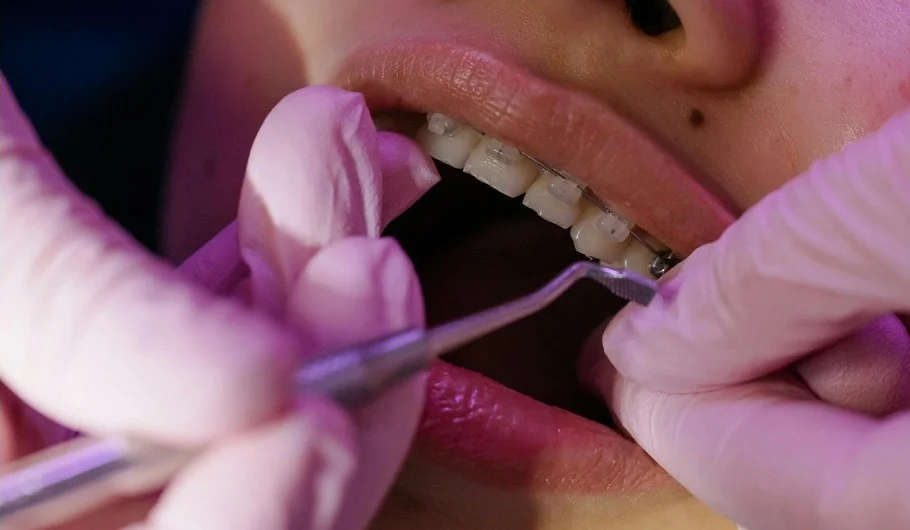
Crooked teeth, bite issues, all those alignment problems, yeah, they definitely affect your smile, but they also mess with way more than that. Your oral health, your face shape, your confidence, even how comfortable you feel day-to-day. And with so many orthodontic choices out there now, trying to pick between Invisalign and traditional braces can honestly feel… a bit much. Some people want something subtle that no one will notice. Others want something tough, simple, and maybe easier on the wallet. And a lot of folks just want whatever works without turning their whole routine upside down.
This guide lays everything out in a way that doesn’t make your head spin. You’ll get a clear picture of how each option works, what each is good at, where they fall short, and who they’re usually best for. Both Invisalign and braces can get you great results, but the “right” one really depends on your lifestyle and what you’re comfortable with. Since orthodontic treatment isn’t something you do for a week or two, it’s worth getting this decision right from the start.
We’ll go through five patient-friendly stages: Understanding the Basics, How Each System Works, Benefits Breakdown, Cost Considerations, and figuring out which option actually fits your life. Think of it as having a relaxed chat with a dentist who explains things clearly without rushing you.
UNDERSTANDING THE BASICS – The Foundation of Invisalign and Braces
Before getting into the nitty-gritty, it’s good to remember why orthodontic treatment exists in the first place. Misaligned teeth aren’t just a cosmetic thing. They can cause uneven wear, gum issues, trouble brushing properly, speech changes, and jaw discomfort. Straightening them helps with health and confidence, which is probably why so many adults are now asking about Invisalign instead of defaulting to traditional braces.
Both Invisalign and braces try to do the same job: move your teeth into a healthier, better-looking position. They just go about it differently. Invisalign uses clear plastic trays you can pop in and out. Braces use brackets and wires that stay glued to your teeth until the end.
Some people love the invisible, flexible vibe of aligners. Others prefer braces because they’re fixed and don’t require discipline or remembering anything. Both are valid, and both systems work well, you just need to know the basics to understand which direction feels right.
Here’s a quick side-by-side look to give you an early overview before we dive deeper.
| Feature | Invisalign | Dental Braces |
|---|---|---|
| Appearance | Clear and nearly invisible | Metal or ceramic brackets |
| Removability | Removable | Fixed to teeth |
| Cleaning | Easy, remove and brush | Requires careful brushing around brackets |
| Comfort | Smooth plastic, minimal irritation | Can cause gum or lip irritation |
| Best for | Mild to moderate cases | Mild to complex cases |
Knowing this sets you up nicely for the next part, how they actually move your teeth.
HOW THEY WORK – The Mechanics Behind Aligners and Braces
Both systems move teeth by applying steady pressure, but the way they do this is totally different.
Invisalign starts with a 3D scan of your mouth. That scan turns into a step-by-step digital plan showing how your teeth will shift over time. Each aligner you wear nudges your teeth a little more, and you switch trays every one to two weeks. It’s very structured and tends to appeal to people who like having a clear timeline.
Braces are more hands-on. Your dentist attaches brackets to each tooth and threads a wire through them. When they tighten the wire, your teeth respond and start shifting. Braces are especially good for complicated cases, like big rotations, major bite problems, or heavy crowding, because they give the dentist more control.
Another big difference is responsibility. Invisalign requires commitment, 20 to 22 hours a day, minimum. Forgetting to wear them (or popping them in and out too much) slows everything down. Braces don’t have that issue since they’re always on.
In Calgary, a lot of adults lean toward Invisalign because it fits neatly into professional and social settings. For teens or anyone who tends to misplace things, braces are often the safer bet.
At West 17th Avenue Dental, Invisalign consultations include digital scans that show you what your new smile will look like before you even start, which honestly helps people make decisions faster.
BENEFITS BREAKDOWN – Invisalign vs Braces
Once you know how each one works, the next step is seeing how their benefits compare. This is usually when people start realizing which one matches their lifestyle better.
Invisalign Benefits
- Practically invisible
- Removable (eat whatever you want, no food stuck in wires)
- Way easier to clean your teeth
- Smooth plastic = fewer mouth sores
- Fewer in-office appointments
- Digital planning gives predictable progress
Braces Benefits
- Great for complex or advanced cases
- Fixed in place, so progress is always happening
- Works for all ages
- Hard to lose (they’re stuck to your teeth!)
- Usually more affordable
- Ceramic options exist for a more subtle look
In Calgary, younger adults often choose Invisalign because it blends into everyday life with zero awkwardness. Braces, though, still shine for heavy-duty corrections or situations where more control is needed.
COST COMPARISON – Understanding Invisalign Cost vs Braces Cost
Let’s address the elephant in the room: cost. Orthodontics is a long-term investment, and knowing what you’re paying for helps remove a lot of stress.
Invisalign tends to cost more because each aligner set is custom-made and the technology behind it is pretty advanced. Treatment length and number of trays also affect price. Many people don’t mind paying a bit more because they get comfort and discretion along with it.
Braces are usually more predictable in price and often more affordable, especially metal braces. Ceramic braces cost a little extra because they’re tooth-colored.
Here’s an easy-to-read cost comparison to give you a clearer picture.
Treatment Cost Table
| Factor | Invisalign Cost | Dental Brace Cost |
|---|---|---|
| Materials | Custom clear aligners | Metal or ceramic brackets |
| Follow-up Visits | Usually fewer | More frequent tightening appointments |
| Complexity Impact | Increases cost | Also increases cost but generally lower overall |
| Convenience Value | Often higher | Moderate |
West 17th Avenue Dental Care gives clear price breakdowns during consultations so you’re not guessing or dealing with surprise fees later.
CHOOSING THE RIGHT OPTION – Invisalign or Braces?
Choosing between Invisalign and braces isn’t about picking the “better” system, it’s about picking what works for you.
Invisalign is great for:
- Adults and teens who want something discreet
- Mild to moderate alignment issues
- People who can wear aligners consistently
- Anyone who prefers fewer dentist visits
- Professionals who want their treatment to stay low-key
Braces are great for:
- Complex cases or major bite corrections
- People who want a no-maintenance, fixed option
- Kids and teens who might misplace aligners
- Patients who need more controlled, continuous movement
If you’re still stuck between the two, a consultation at West 17th Avenue Dental Care makes it way easier. They’ll look at your bite, teeth, gums, and your lifestyle to recommend the most effective option. A lot of patients say the clarity they get during that first visit makes the entire orthodontic process feel less intimidating and way more manageable.